
As digital finance reshapes global balances, a French-speaking North American ecosystem is asserting itself as a natural bridge between Europe and the Americas. A look at the vitality of Québec's fintech sector and the ties it is building with its French partners.
In the global financial technology landscape, certain regions cultivate a distinctive approach, built on industrial patience and international cooperation. Québec is one of them. According to the 2025 Québec Fintech Report published by Fathom4sight in collaboration with Finance Montréal, the province is now home to 294 active fintech companies, nearly a quarter of which were founded in the past five years. This sustained pace of company creation reflects the maturity of an ecosystem built for the long term.
Source: 2025 Québec Fintech Report (Fathom4sight × Finance Montréal)
Measured Growth, the Result of Sustained Groundwork
The indicators point to a solid trajectory. Québec fintechs now employ 94,868 people worldwide, up 4.74% year over year, including 20,774 in Canada. Total funding reached CA$161.28 million in 2025. More telling still, the five largest rounds (Novisto, Amilia, Optable, Flare, Deck) account for nearly 87% of the capital deployed. The Québec market favours consolidating its champions over spreading resources thin. This approach recalls the pursuit of excellence long championed by the Paris financial centre.
This selectivity rewards companies capable of charting an international course. Novisto, a Montréal-based ESG reporting platform, illustrates this momentum with its CA$37.7 million Series C dedicated to its European expansion, where it is actively engaging with French players in sustainable finance. Flare and Optable, for their part, have elevated RegTech to the rank of the province's best-funded sector.
Montréal, a Complementary Financial Centre
The Québec ecosystem was built on a deeply business-to-business DNA. More than 57% of local fintechs operate on a B2B model, compared with 27% in B2C. The province develops infrastructure first and foremost: payment gateways, compliance platforms, wealth management tools and open banking building blocks. This specialization creates clear complementarities with European financial centres, whose strengths lie in other segments, notably innovative retail banking, where France ranks among the world's pioneers.
Montréal is home to 242 fintechs, or 82% of the ecosystem. The city benefits from a dense university ecosystem and a recognized presence in artificial intelligence (Mila, IVADO), making it a natural partner for European innovation hubs. The joint missions carried out in 2025 at VivaTech and AdoptAI, in Paris, reflect this commitment to building lasting ties with the French ecosystem, one of the most dynamic in the world.
This article was originally published in Le Semestre de la Fintech 2026, the semi-annual study by l'Observatoire de la Fintech.
AI, a Privileged Ground for Cooperation
The year 2025 confirmed the central place of agentic AI in Québec fintech innovation. Equisoft launched Amplify, a suite of AI agents for life insurers. Nuvei, a Montréal-based payments player active in more than 200 markets, deployed its Integration Agent, which cuts merchant onboarding time from several weeks to a few hours. Croesus unveiled Vidia, a generative AI solution that transforms portfolio data into personalized video briefings.
This specialization builds on two decades of public and private investment in AI research. It opens up particularly fertile prospects for cooperation with French ecosystems, whether through joint research, technology transfers or the co-development of solutions for French-speaking markets worldwide.
Stablecoins and Open Banking: A Shared Agenda
Two regulatory undertakings will shape the coming years and offer numerous points of convergence with the European agenda. The 2025 Canadian federal budget confirmed the rollout of open banking under the supervision of the Bank of Canada, with a single API-based technical standard and a national right to data portability. This approach aligns naturally with the path taken by the European Union around PSD3 and open finance. Flinks, Québec's longstanding leader in data sharing, and the fintech Deck ($12 million raised in Series A) are on the front lines.
Open banking is not the only undertaking set to redraw financial infrastructure. On the stablecoin front, global growth is just as spectacular, with $37 trillion in transactions over the past twelve months. Canada already has three stablecoins denominated in Canadian dollars, and Tetra Trust is preparing a fourth launch for 2026. Shakepay, a Montréal-based platform interviewed in the report, stresses the importance of a clear regulatory framework so that domestic players can participate fully in this transformation. This debate echoes the discussions under way in Paris, Brussels and Frankfurt.
A French-Speaking Economic Community to Champion
The Québec ecosystem does not claim to compete with London or rival New York. It follows its own trajectory, complementary to those of its European partners. It is precisely this positioning that makes it a valuable interlocutor for the French financial centre.
Beyond the numbers, Québec offers a privileged space for cooperation to French fintechs looking to establish themselves in North America, as well as to French financial institutions seeking to diversify their technology partnerships. A shared language, compatible regulatory heritages and long-standing academic ties create fertile ground for ambitious joint projects.
At a time when digital finance is redefining global value chains, strengthening the Paris–Montréal axis stands out as a strategic imperative.
It is a cooperation between two complementary ecosystems, in the service of a French-speaking economic community able to carry greater weight in the global balances of tomorrow.
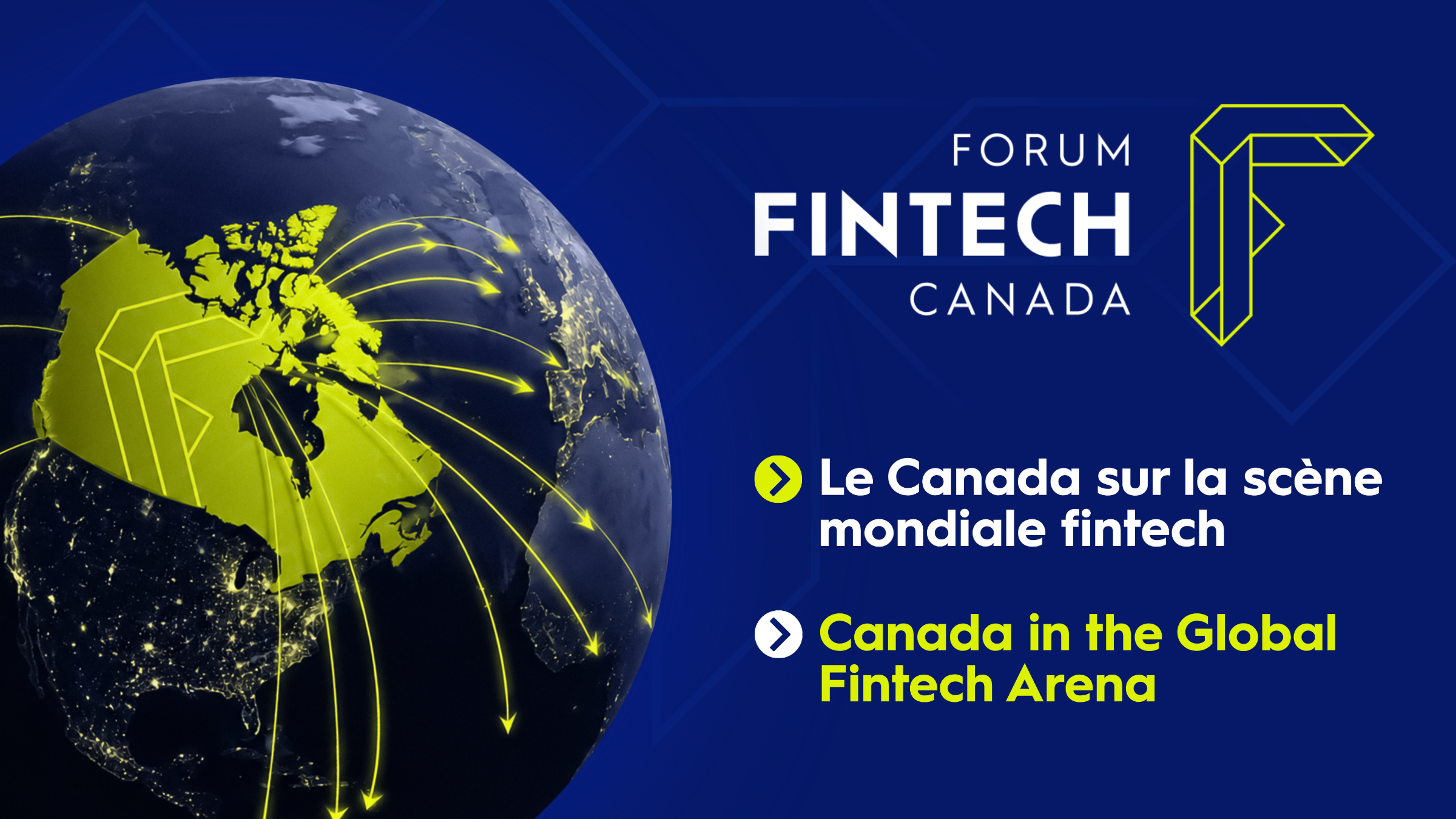
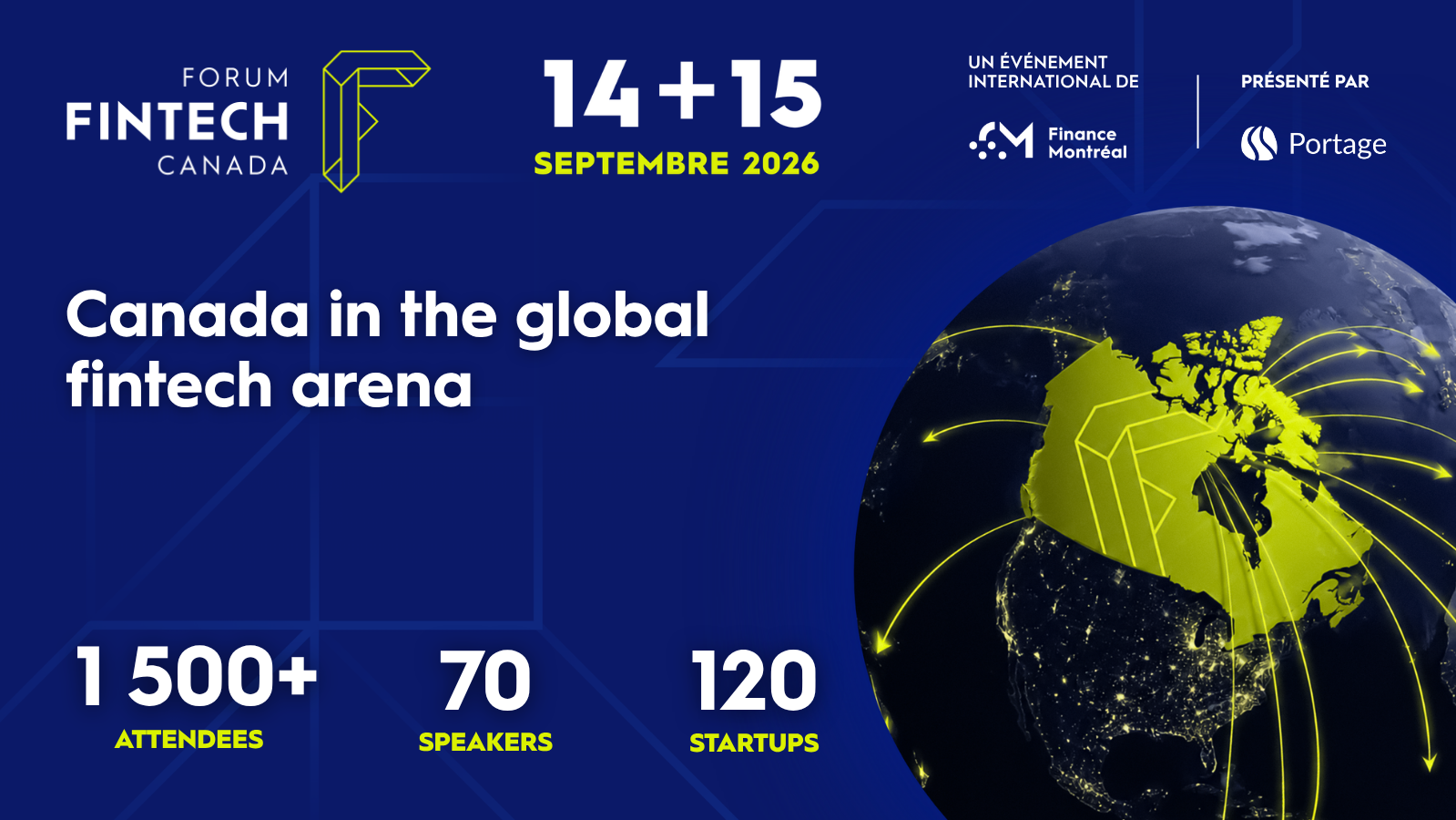
These dynamics will be at the heart of discussions at the Forum Fintech Canada, which will bring together the key players of the North American ecosystem in Montréal on September 14 and 15, 2026. It is a particularly relevant gathering for decision-makers at French financial institutions looking to explore new technology partnerships on the continent.

.png)